Ole Hanson San Clemente - History of the Spanish Village by the Sea
San Clemente Rachael Ashley October 6, 2026
San Clemente Rachael Ashley October 6, 2026
If you spend any amount of time in San Clemente, you’ll hear the name Ole Hanson.
You’ll see it connected to historic buildings, local landmarks and the story of how San Clemente became the coastal community it is today. But who exactly was Ole Hanson, and how did one man’s vision have such a lasting influence on San Clemente real estate, architecture and lifestyle?
To understand San Clemente today, it helps to go back to 1925.
Before coming to Southern California, Ole Hanson had already lived a fascinating life. He was a real estate developer, politician and former mayor of Seattle. Eventually, his attention turned toward a largely undeveloped stretch of Southern California coastline between Los Angeles and San Diego.
Hanson saw something much bigger than vacant coastal land.
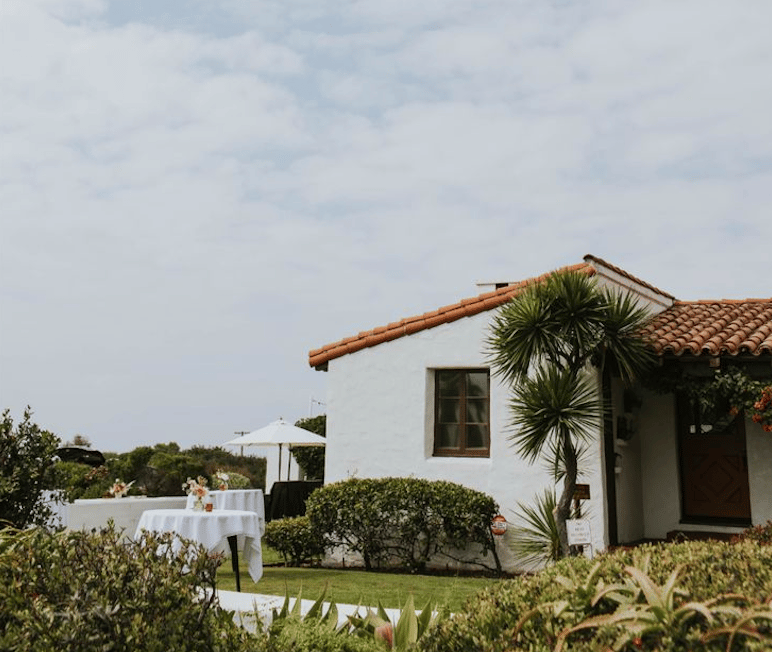
He envisioned an intentionally designed seaside community filled with Spanish-style homes, red-tile roofs, white stucco walls, landscaped streets and public spaces where residents could enjoy Southern California's climate and coastline.
His vision became San Clemente.
Ole Hanson described his vision for San Clemente as a "Spanish Village by the Sea."
This wasn't simply a marketing slogan. Hanson wanted the architecture and layout of the community to have a consistent identity.
Early property owners agreed to strict architectural requirements calling for Spanish-style buildings with red-tile roofs and white stucco exteriors. Around 500 Spanish-style structures were ultimately built during San Clemente's founder era.
Nearly a century later, you can still see that influence throughout San Clemente.
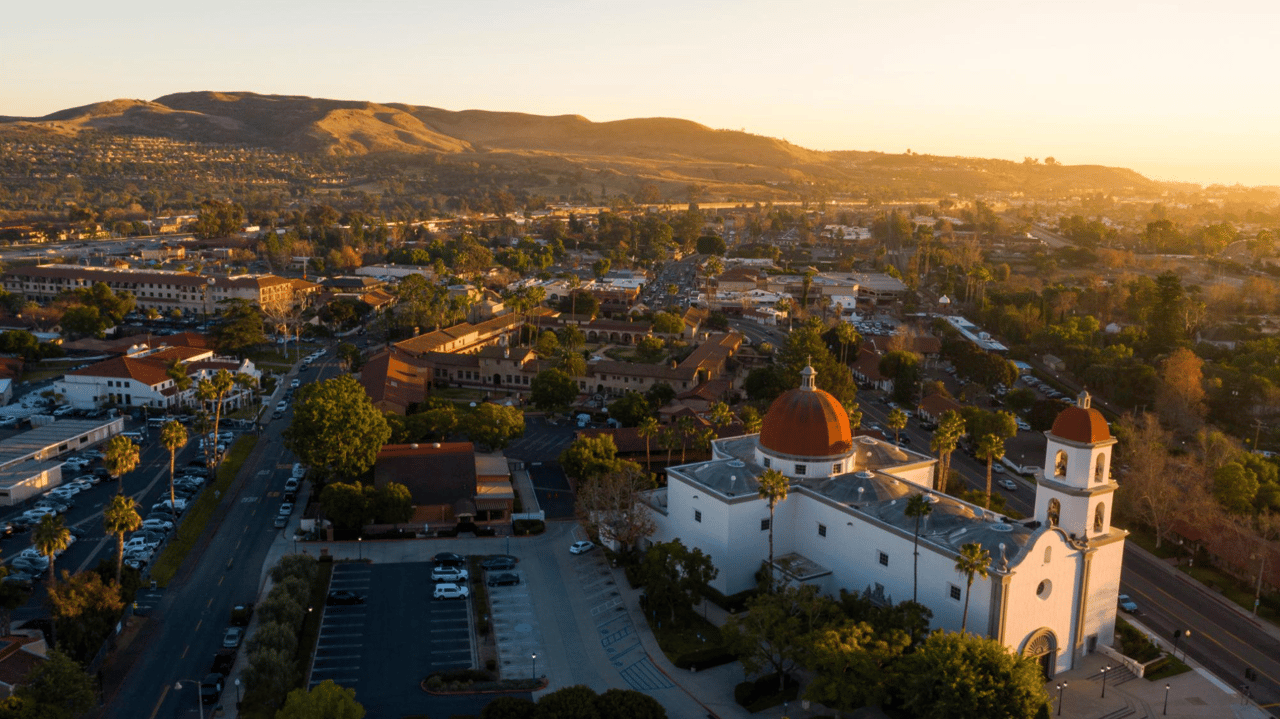
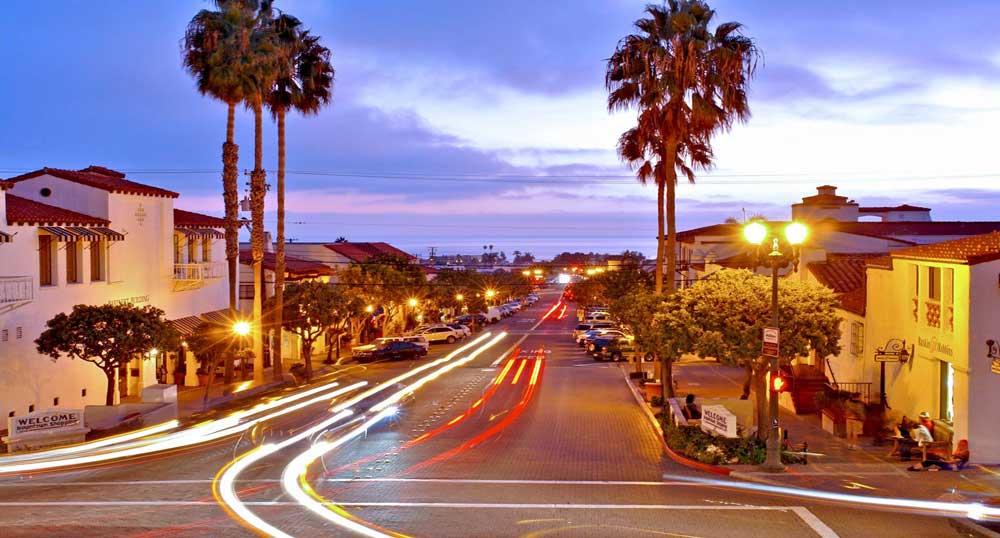
Drive through downtown, walk along Avenida Del Mar or explore some of the city's older residential streets and you'll find Spanish Colonial Revival architecture mixed into the fabric of the community.
It's one of the characteristics that makes San Clemente feel distinctly different from many other Southern California beach towns.
One of the most interesting parts of Hanson's vision was that he wasn't simply selling homesites.
He was creating a community.
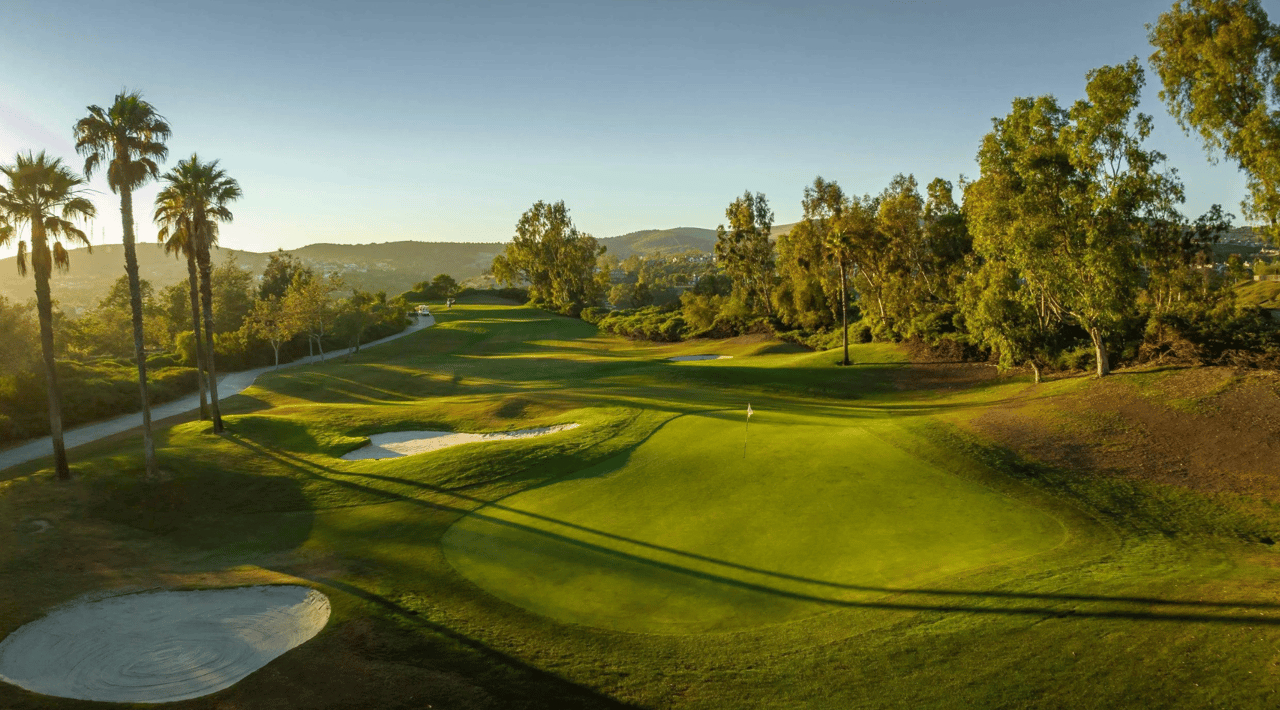
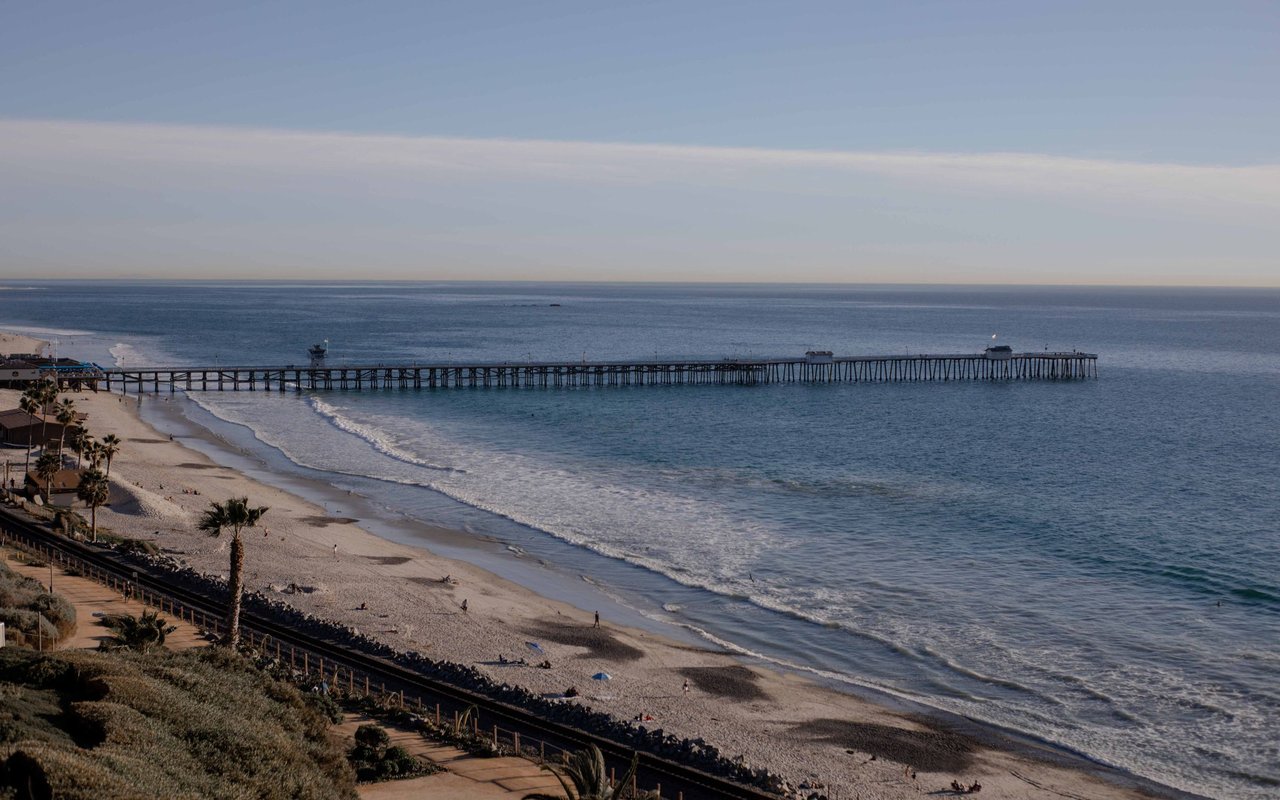
His plans included wide streets, parks, playgrounds, a school, swimming pool, golf course, fishing pier and other recreational amenities. The city developed rapidly, with millions of dollars of property reportedly sold during its first few years.
That early emphasis on lifestyle still feels surprisingly relevant today.
People don't move to San Clemente simply because they like a particular house. They often move here because they want the beaches, surfing, walkability, downtown restaurants and shops, trails, ocean views and overall coastal lifestyle.
In many ways, that's exactly what Hanson was trying to create from the beginning.
Perhaps the best place to experience Ole Hanson's legacy today is Casa Romantica Cultural Center and Gardens.
Built in 1927 as Hanson's family home, Casa Romantica sits on a bluff overlooking the Pacific Ocean and San Clemente Pier. Architect Carl Lindbom designed the Spanish Colonial Revival residence, which helped establish the architectural character Hanson envisioned for the larger community.
Today, Casa Romantica is a cultural center and historic landmark where visitors can learn more about San Clemente history while exploring its gardens and incredible coastal setting.
For anyone new to San Clemente, it is one of my favorite places to recommend because it gives you a sense of both the city's history and why this particular stretch of coastline inspired Hanson in the first place.
San Clemente's early success couldn't completely protect it from what was happening throughout the country.
The Great Depression hit the community hard. The population declined dramatically, and Hanson eventually lost his San Clemente holdings, including the home now known as Casa Romantica.
His time here may have ended, but his influence certainly didn't.
San Clemente's identity remains closely tied to the city he imagined almost a century ago.
If you're spending a day exploring San Clemente, you don't have to look very far.
Start around Avenida Del Mar and downtown San Clemente, where the city's Spanish-inspired character is still very visible. Head toward the San Clemente Pier and walk along the coast before visiting Casa Romantica above the bluff.
You can also look for the historic tile murals along Avenida Del Mar, which highlight significant buildings and pieces of San Clemente history.
For anyone particularly interested in local history, the San Clemente Historical Society is another great resource for learning about Hanson-era homes and the preservation of the city's historic architecture.
As a San Clemente Realtor, I think one of the most interesting parts of our local real estate market is how much the city's history still influences what buyers love today.
Spanish architecture, ocean-view homes, walkability to Avenida Del Mar, proximity to the pier and beaches, and neighborhoods with distinctive character remain major selling points.
San Clemente has grown tremendously since 1925, and you'll find everything from original historic cottages to remodeled coastal homes, condos, luxury estates and newer construction.
But the underlying appeal hasn't changed all that much.
People still come here looking for the lifestyle Ole Hanson imagined: a beautiful community overlooking the Pacific where the town itself feels connected to the ocean.
Understanding San Clemente real estate requires more than knowing recent comparable sales. Neighborhoods can vary significantly depending on location, ocean views, lot size, walkability, architecture, proximity to the beach and even which side of the freeway you're on.
If you're considering buying a home in San Clemente, relocating to South Orange County or selling a San Clemente property, I'm always happy to be a local resource.
I help buyers and sellers throughout San Clemente, Dana Point, Laguna Beach, Laguna Niguel, San Juan Capistrano, Newport Beach and the surrounding coastal communities of Orange County.
San Clemente may look very different than it did when Ole Hanson arrived in 1925, but nearly 100 years later, his "Spanish Village by the Sea" is still one of the most special places to call home in Southern California.
Ole Hanson, a former mayor of Seattle and real estate developer, is recognized as the founder of San Clemente. Development of his planned coastal community began in 1925.
Ole Hanson envisioned San Clemente as a coordinated Spanish-style coastal community. Early buildings were required to follow Spanish-inspired architectural standards, including white stucco walls and red-tile roofs.
Ole Hanson lived in the property now known as Casa Romantica Cultural Center and Gardens. The Spanish Colonial Revival home was built in 1927 and overlooks the Pacific Ocean.
Yes. Casa Romantica is now a cultural center and gardens open to visitors and hosts cultural and educational programming throughout the year.
Yes. The San Clemente Historical Society reports that around 500 original Spanish-style structures were built during the founder era and 203 remain today.
Stay up to date on the latest real estate trends.
Local Activities
Sellers
Rachael Ashley Real Estate Group
Local Activities
Rachael Ashley Real Estate

Sellers
Rachael Ashley Real Estate
Buyers
Rachael Ashley Real Estate
Buyers
Rachael Ashley Real Estate
San Clemente
Rachael Ashley Real Estate
Local Activities
Rachael Ashley Real Estate
Get assistance on determining current property value, crafting a competitive offer, writing and negotiating a contract, and much more. Let me guide you through your home-buying journey.
RACHAEL ASHLEY | CA DRE# 02049371
3 Monarch Bay Plaza Ste 100 Dana Point, CA 92629